Risk Management in Healthcare

Risk Management in Healthcare
Course description

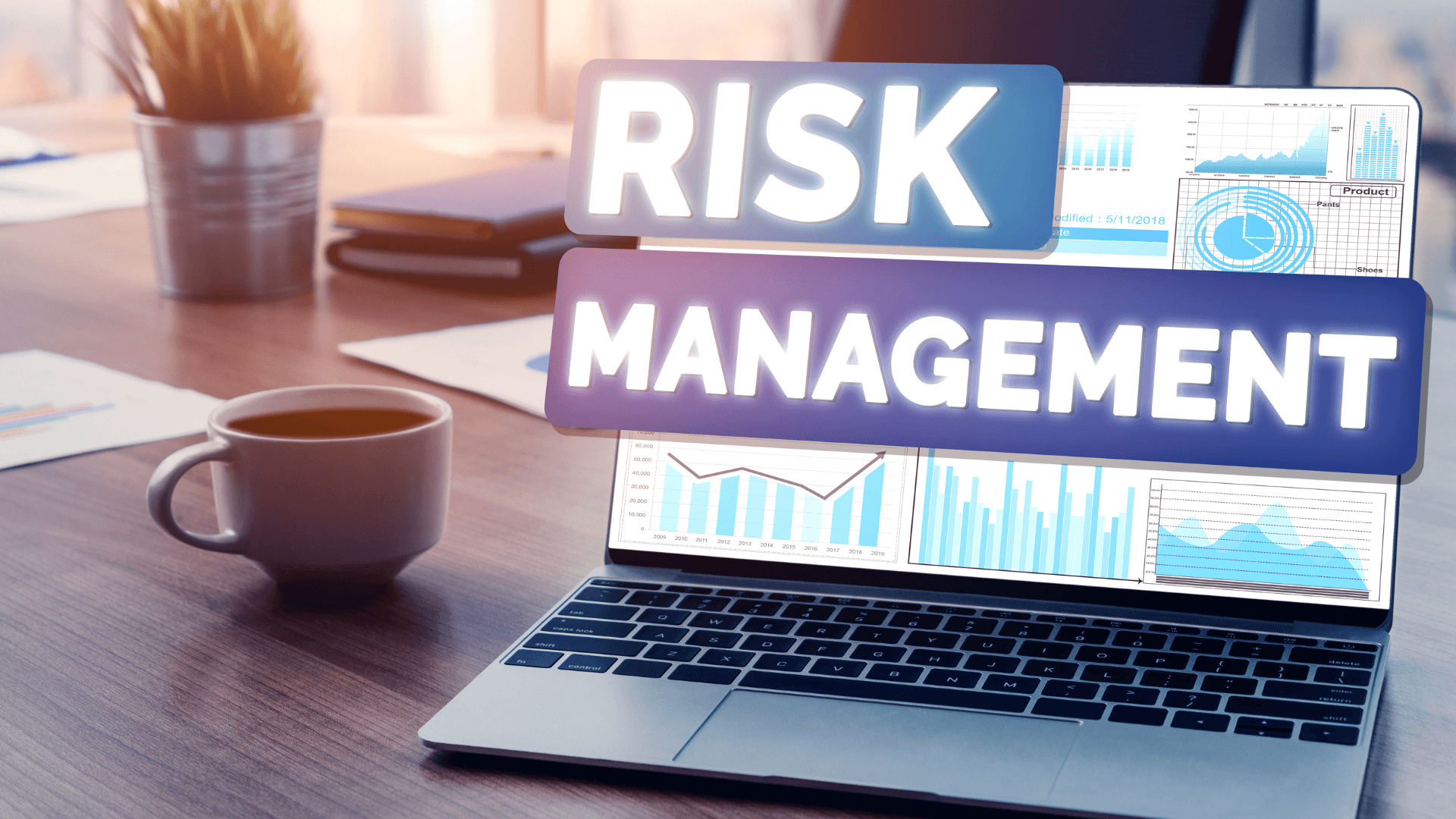
This program is designed to teach healthcare professionals how to identify, assess, and mitigate risks in healthcare settings. It covers a wide range of topics related to risk management, including risk identification, risk analysis and evaluation, risk mitigation strategies, performance improvement, patient safety culture, and regulatory compliance.

Who should be interested in Risk Management in Healthcare?

Risk Management in healthcare can include healthcare professionals, administrators, managers, and executives in different levels of healthcare organizations.

Nurses, doctors, allied health professionals, quality assurance managers, risk managers, patient safety officers, clinical leaders, and any other healthcare workers involved in the identification, assessment, mitigation, or reporting of risks in their workplace setting.

Healthcare organizations such as hospitals, clinics, long-term care facilities, and insurance companies.

Learning outcomes

  1. Define risk management.
  2. Address the potential managerial and clinical risks.
  3. Identify methods to align between risk management plan and quality and patient safety plan.
  4. Define the staff roles and responsibilities regarding the risk management plan.

Course Duration

18 Hours.

Effective Audit and Healthcare Quality

Effective Audit and Healthcare Quality

Course Description

Healthcare quality is a great concern for both patients and healthcare providers, as it refers to the degree to which the healthcare services meet the accepted standards for safety, effectiveness, and patient-centeredness.

This course helps participants to measure the extent to which healthcare services meet the needs and expectations of patients. Healthcare quality includes a variety of aspects such as clinical care, patient safety, patient experience, and patient outcomes

Who should be interested in Effective Audit in healthcare?

Healthcare Professionals: Doctors, nurses, medical assistants, and other healthcare providers who are responsible for delivering care to patients.

Healthcare Administrators: Hospital administrators, clinical managers, and quality improvement professionals.

Quality Improvement Professionals: Quality improvement professionals who specialize in healthcare quality management, performance measurement, and quality improvement methodologies.

Students pursuing degrees in healthcare-related fields.

Learning outcomes

  1. Understanding the Standards and Regulations of Healthcare Auditing.
  2. Enhance awareness of topics related to best practice in medication administration, blood transfusion and infection control.
  3. Compare and analyze data and be able to prioritize tasks based on the information given by the analysis.
  4. Construct an effective plan and develop a performance improvement project based on the data analysis.

Course Duration

12 Hours.

Training of Trainers in healthcare

Training of Trainers in healthcare

Course description

Healthcare providers within healthcare settings are expected to deliver training for the staff members they lead. Therefore, Training of Trainers (TOT) course for healthcare providers help healthcare workers become effective trainers, able to perfectly build the skills of other staff within their organization.

This course is designed to help medical team leaders to deliver high-quality and effective training sessions in their areas of expertise to other workers.

Who should be interested in the TOT Program?

Managers, supervisors and team leaders.

Employees who conduct training as a part of their job duties.

Trainers who want to refine their skills and experience.

Individuals wishing to work as professional trainers and want to enter the field of training.

Learning outcomes

  1. Conduct training needs analysis and create learning objectives.
  2. Identify different methods of on-the-job training.
  3. Design training activities.
  4. Strengthening engagement and active learning.
  5. Discovering best facilitation tools and principles that we can use in a virtual setting.
  6. Be able to build training structures and turn ideas into training session content.
  7. Know how to deal with different types of learners and behaviors in both in-person and online training.

Course Duration

36 Hours.

Strategic Management in healthcare

Strategic Management in healthcare

Course description

Strategic management course involves the formulation and implementation of strategies and plans to achieve long-term goals and objectives of an organization.

This course provides a comprehensive understanding of the various elements of strategic management, including the analysis of the external environment, internal resources and capabilities, stakeholder management, and organizational structure.

Why is Strategic Management important for healthcare providers?

Strategic Management help healthcare providers to:

  • Learn how to assess the risks and challenges associated with different strategic options, and develop plans to mitigate them.
  • Explore the role of leadership in strategic management, including building a high-performance team.
  • Gain a comprehensive understanding of how to design, implement, and monitor effective strategic management practices in different organizational contexts.

Who should be interested in Strategic Management in Healthcare?

Strategic management in healthcare include healthcare organizations, hospitals, clinics, medical practices, health insurance providers, government agencies, and other healthcare-related organizations.

Learning outcomes

  1. Understand what a strategy is.
  2. Apply frameworks, tools, and goals to your own strategic initiatives.
  3. Develop the trainees’ strategic thinking abilities, enabling them to perceive, analyze, and make informed strategic decisions.
  4. Equip trainees with analytical skills that help in assessing business problems, identifying the root causes, and developing solutions to tackle them.
  5. Evaluate the quality of a healthcare organization’s strategy.

Course Duration

36 Hours.

Change Management in Healthcare

Change Management in Healthcare

Course description

Change management in healthcare course covers the process of planning and executing changes in healthcare systems or organizations while ensuring successful adoption of these changes, utilizing change management strategies that prioritize communication, collaboration, and stakeholder engagement.

Why are Change Management important for healthcare providers?

Change Management help healthcare provider to:

  1. Create effective change management in healthcare to adapt to transformations while minimizing disruptions.
  2. Face challenges related to changes such as implementing new technology, introducing new policies, or changing clinical procedures.
  3. Explore the various aspects of organizational change, such as resistance to change, communication strategies, and stakeholder management.

Who should be interested in Change Management in Healthcare?

Change management in healthcare for healthcare providers may include managers and leaders who are responsible for leading their teams or organizations through change initiatives.

Human Resources professionals who manage employee training and development.

Project managers who are responsible for implementing changes within their hospital or healthcare system.

Individuals who are interested in pursuing a career in Change Management and want to gain a foundational understanding of the field.

Learning outcomes

  1. Understanding the different models and theories related to change management in healthcare.
  2. Identifying the different types of resistance to change in healthcare, and developing strategies to overcome them.
  3. Understanding the different phases of the change process, including planning, implementation, and evaluation.
  4. Implementation and execution of change management plans, including monitoring progress and evaluating outcomes.

Course Duration

‎24 Hours.‎

Management in Healthcare

Management in Healthcare

Course description

In today’s world, managers face huge challenges; they need to become effective leaders with functional knowledge and interpersonal skills. During this course, participants will learn the strategies required to excel in decision-making, implementation, and organizational learning.

Why are Management in Healthcare important for healthcare providers?

Management in Healthcare helps healthcare providers to:

Gain essential skills and knowledge required to successfully manage a team in the healthcare industry.

Cover the following skills: leadership styles and approaches, effective communication techniques, team building and management skills, strategic thinking and decision-making skills.

Who should be interested in Management in Healthcare?

Management in Healthcare course can include healthcare professionals who are transitioning into a management role for the first time.

Nurses, doctors, and medical assistants.

Individuals who may have experience in management or leadership roles and are new to the healthcare industry.

Learning outcomes

  1. Understand the fundamentals of leadership and how to apply them in a healthcare setting.
  2. Master effective communication techniques, including active listening, feedback, and conflict resolution.
  3. Develop the latest and most relevant managerial skills such as; problem solving, critical thinking, creativity, and innovation.
  4. The ability to adapt to change and to meet business objectives.
  5. Develop strong team management skills, including the ability to build and manage diverse teams, delegate tasks, and provide motivation.

Course Duration

18 Hours.

Public Speaking

Public Speaking

Course description

Being able to communicate your ideas clearly and persuasively is an essential skill for personal, academic, and career success. In this course, You will learn how to deliver a speech, and engage the audience. You will also learn how to use visual aids effectively, and overcome public speaking anxiety

Why is Public Speaking important?

This public speaking course is designed to help trainees to:

  1. Have a comprehensive understanding of effective communication in various public settings.
  2. Cover a range of topics related to public speaking including preparing a speech, delivery techniques, engaging audience, and using visual aids effectively.
  3. Build confidence and improve the ability to think critically and communicate effectively.

Who should be interested in Public Speaking?

Public speaking course includes anyone who wants to improve their public speaking skills

Individuals new to public speaking and want to gain confidence and build essential skills.

Professionals who are required to deliver speeches or presentations as part of their job responsibilities.

Students who are interested in developing their communication skills, as effective public speaking skills are valuable in a range of academic and social settings.

Learning outcomes

  1. Deliver an effective speech using a variety of techniques and tools.
  2. Utilize verbal and nonverbal delivery techniques to engage the audience.
  3. Understanding the diverse audiences’ backgrounds while delivering a speech.
  4. Overcome public speaking anxiety and build confidence while speaking in public.

Course Duration

16 Hours.

Personal Branding

Personal Branding

Course Description

Patients seek out healthcare providers with a strong personal brand that aligns with their values and needs. This course helps healthcare professionals establish trust and credibility with patients, colleagues, and other stakeholders, and differentiate healthcare professionals from their peers.

Why is personal branding important for healthcare providers?

Personal branding in healthcare help healthcare professionals to:

Develop a reputation in their field, positioning them as experts in their specializations.

Build and maintain strong relationships with patients, who may feel more connected to healthcare providers who have a distinctive voice and presence online.

Who should be interested in personal branding in Healthcare?

Personal branding in healthcare can include healthcare professionals such as doctors, nurses, therapists, pharmacists, and other medical professionals.

Students pursuing a degree in healthcare management and administration.

Healthcare entrepreneurs, business owners, and marketing professionals working in the healthcare industry.

Learning outcomes

Understanding the importance of personal branding in the healthcare industry.

Establishing a personal brand and developing strategies to build a strong online reputation, including social media presence.

Enhancing communication and networking skills to build relationships with patients, colleagues, and industry leaders.

Applying personal branding skills to advance your career in healthcare.

Course Duration

16 Hours.

Communication Skills in Healthcare

Communication Skills in Healthcare

Course Description

Communication skills are essential for healthcare providers to provide high-quality patient care. This course covers effective communication skills to help healthcare providers build efficient relationships with their patients, establish trust and empathy, and develop a comprehensive understanding of their patient’s needs, concerns, and preferences.

Why are Communication Skills important for healthcare providers?

Good communication skills help healthcare providers to:

  1. Reduce the risk of medical errors: Good communication can help to ensure that crucial information is not overlooked, resulting in improved patient outcomes.
  2. Enhance patient satisfaction: Patients are more satisfied when they feel that they are being listened to and understood by their healthcare providers.
  3. Promote health literacy: Good communication helps patients to understand their diagnosis, treatment options, and medication instructions.

Who should be interested in Communication Skills in Healthcare?

Communication skills in healthcare can include healthcare professionals such as doctors, nurses, physician assistants, pharmacists, and other healthcare staff.

Individuals pursuing a career in healthcare or those interested in improving their communication skills in a healthcare setting.

Administrators and managers in healthcare organizations.

Learning outcomes

  1. Effective communication: Understanding the principles, models, and techniques of effective communication in healthcare and applying them to achieve better patient outcomes.
  2. Patient-centered communication: Learning how to communicate effectively with patients and their families.
  3. Active listening: Developing key active listening techniques and strategies to enhance communication with patients and other healthcare providers.
  4. Conflict resolution: Developing strategies to manage and resolve conflicts within healthcare teams, with patients, and their families.
  5. Ethical communication: Understanding the importance of ethical communication and professionalism in healthcare communication.

Course Duration

24 Hours.

AI (artificial intelligence) in Healthcare

AI (artificial intelligence) in Healthcare

Artificial intelligence has become a very important tool in the hands of doctors, pharmacists, and health sector workers, and this is because it is capable of performing very many operations in a short time.

Such as

  • Diagnosing cases by comparing tests and x-rays
  • Choose the appropriate treatment
  • Suggest appropriate medications
  • Determine appropriate doses and concentrations
  • Writing medical reports
  • Develop an appropriate care plan for patients

With us at ARmed, you will learn how to use artificial intelligence, how you can benefit from it in your medical field, what the most famous applications of artificial intelligence are and how to use them. ‏

Course Duration

12 Hours.